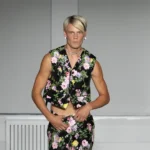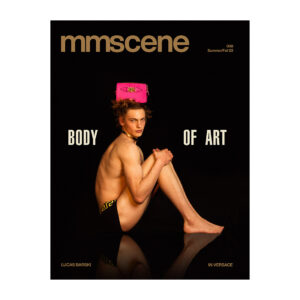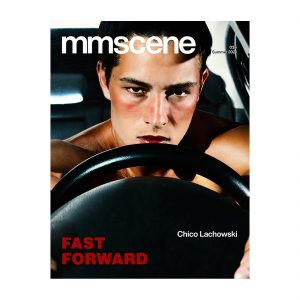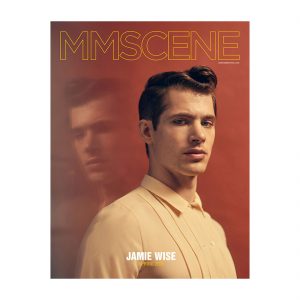
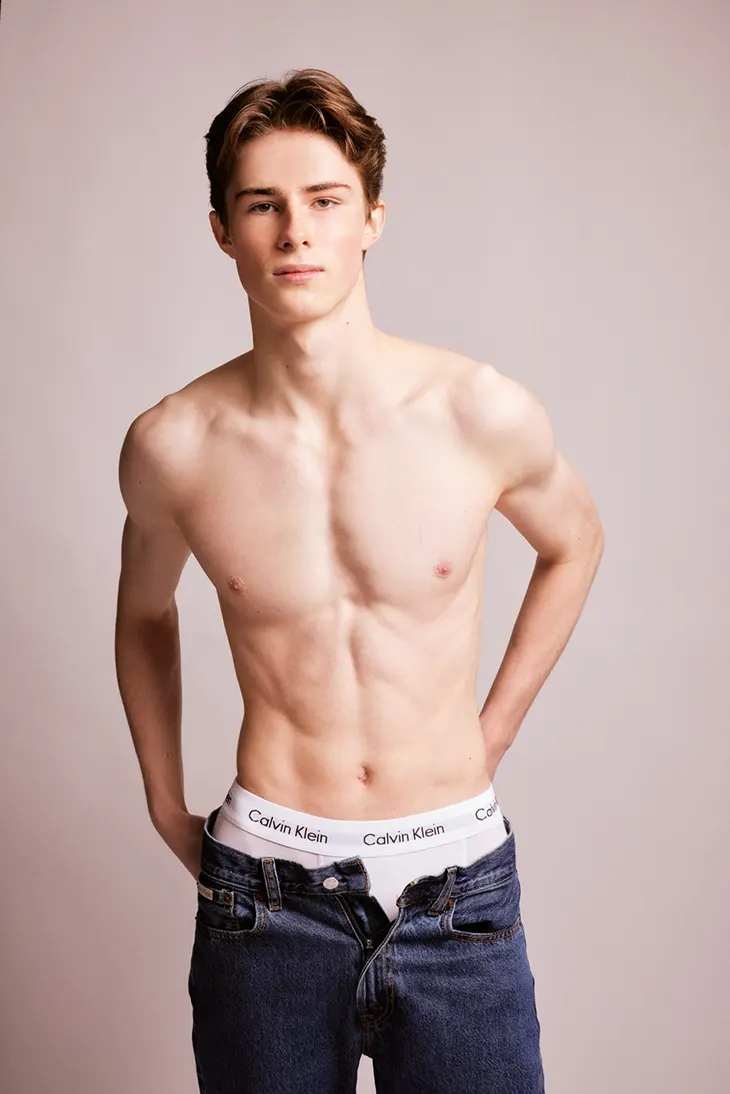
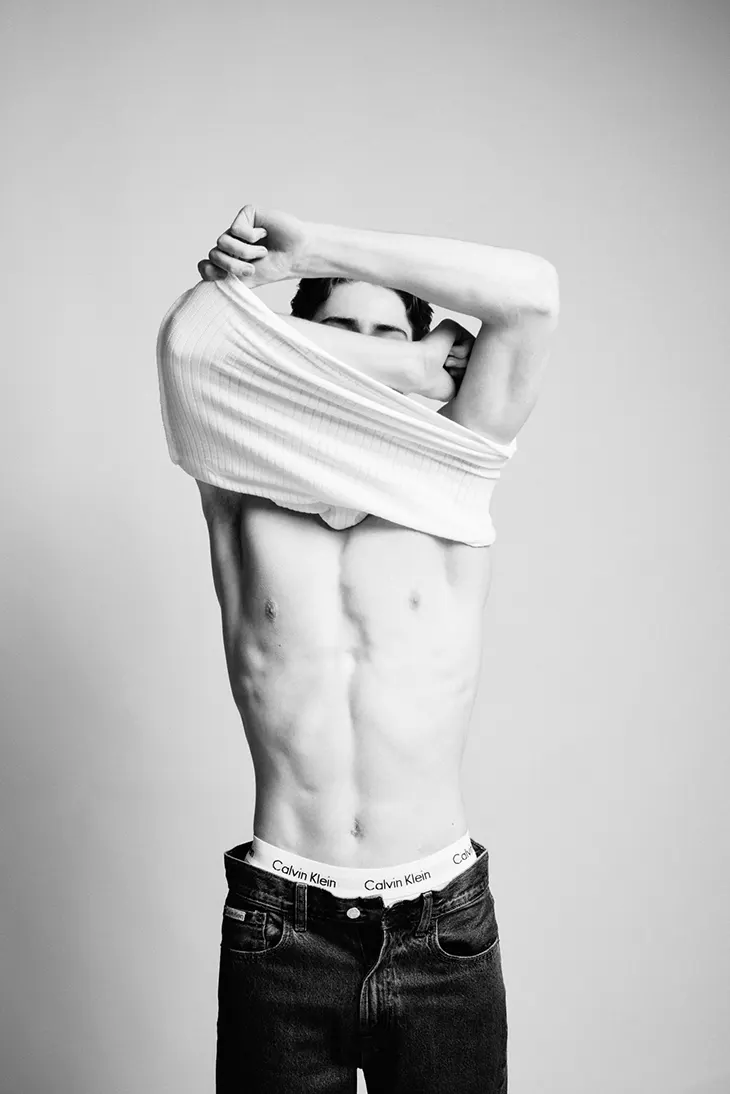
Walk into any menswear casting and the physique on show has not changed much in fifteen years: tall, narrow, long-limbed, a chest that fits a sample size. What has changed is who wants it. The lean silhouette used to be an occupational requirement for a few hundred working models. It is now a mainstream aspiration for young men whose only runway is a phone camera, and the training advice they find is still written for someone trying to get big.
That mismatch is worth taking seriously, because the standard gym advice actively works against the look. Heavy compound lifts in low rep ranges, progressive overload, a caloric surplus, a split built around chest and arms: it is a system for adding mass, and mass is exactly what the slim silhouette does not want. Ask a model who has been told by an agency to lose an inch off the shoulders and you will hear the same complaint. The gym made them worse for the job.
What lean training looks like
The men who have worked this out tend to converge on a few principles, whether they arrived from modelling, dance, climbing or one of the online style communities where a slim, soft frame is the point rather than a problem.
Legs and posterior chain carry the work. Squats, lunges, hip thrusts and step-ups build shape below the waist without widening the frame above it. The effect is a longer line and better proportion in trousers, which is what a clothes-first physique is for.
Upper body training shifts to higher reps and lower loads. Pull-ups, rows and push-up variations in the twelve to twenty range build definition and posture without the shoulder growth that comes from heavy pressing. Direct arm work mostly disappears.
Core training is about control, not visible abs. Planks, dead bugs, hanging knee raises. A stable midsection changes how the body carries a jacket more than a six-pack does.
Conditioning is steady and frequent rather than brutal and rare. Walking, cycling, skipping. Enough to keep the frame lean without the appetite spike that follows a punishing session.
Food is treated as maintenance, not a project. Eating roughly at the level the body needs, with adequate protein, and without the surplus that bulking programmes demand. Nobody in this camp is cutting for a show. The goal is a body that looks the same in March as it does in September.
Where the practical guides already exist
Mainstream fitness media has been slow to write for this reader, and the gap has been filled from an unexpected direction. Some of the most detailed lean-training guides online come from the femboy community, where a slim, slightly feminine frame is the aesthetic target and the workout advice has been refined by people who care about the outcome. This femboy fitness routine is a good example of the genre: legs-forward, high-rep upper body, deliberately modest on the shoulders, and honest about the fact that most men will need to unlearn what the gym taught them.
Read past the subculture framing and it is simply a proportion-first programme, the kind a casting director would recognise immediately.
The wider point
Menswear has spent a decade drifting toward softer tailoring, narrower shoulders, longer lines. The training culture around it has not moved at all. Most men who want to wear the clothes well are still being handed a programme designed to make them look like they belong in a different wardrobe.
The runway body was never a mystery. It was a set of proportions, and proportions can be trained for. The men doing it best right now are not in the fashion industry. They are the ones who worked out that getting bigger was never the assignment.
Images from Shine On by Macky Mann – See full story here.