The early days of a freelance modeling career can feel exciting and unpredictable in equal measure. One week brings an unexpected commercial booking, the next brings a local runway show, and suddenly large payments start landing in your account. The freedom feels real. You choose your schedule, manage your own time, and begin shaping a career on your own terms.
That freedom also comes with pressure many new models do not expect. Freelance income rarely arrives in a steady pattern. A client may take weeks, or even months, to process an invoice, while rent, travel costs, and daily expenses keep arriving on time. That gap can quickly turn creative momentum into financial stress. Because freelance modeling rarely comes with a regular paycheck, building smart money habits early helps protect both your career and your peace of mind.
Taming the Feast or Famine Cycle
One of the biggest traps in freelance work is treating a large payout like a permanent raise. After a strong booking month, it can feel natural to spend more freely, upgrade your lifestyle, or assume the next job will arrive just as quickly. In modeling, a busy month can easily lead into a stretch with fewer castings, delayed payments, or no confirmed work at all.
To survive this cycle without constant panic, you have to rethink how you view your money. Instead of living directly off your latest booking, create a buffer between your business income and your daily life. Once you pay yourself from client earnings, moving part of that personal income into SoFi’s online savings account can help you cover slower months without scrambling.
A separate savings space can function as a business vault. From there, you can pay yourself a steady monthly amount for essentials and leave the rest untouched for quieter periods. This habit makes income feel less chaotic and prevents one successful month from creating problems later.

Facing the Reality of Tax Season
Freelance models need to plan for taxes from the start. Clients usually pay independent workers the full amount without withholding taxes, which means the responsibility falls entirely on you. That payment may feel like available income, but part of it already belongs to your future tax bill.
A large tax bill at the end of the year can create serious stress if the money has already been spent. To avoid that situation, set aside a percentage from every invoice as soon as it arrives. Many freelancers reserve around twenty-five to thirty percent of each payment, depending on location, income level, and tax obligations.
Treat that money as separate from your spending budget. Do not use it for travel, shopping, or short-term expenses. Automating the transfer can make the habit easier and remove the temptation to delay it. When tax season arrives, the money is already there.
Tracking the True Cost of Your Business
Many new models underestimate how much it costs to work. Portfolio updates and test shoots are obvious expenses, but the smaller costs can add up just as quickly. Rideshares to last-minute castings, wardrobe basics, grooming, skincare, meals between jobs, and travel to shoots all affect your actual earnings.
Keeping a clear record of these costs gives you a more accurate view of your business. A booking may look profitable at first, but travel, preparation, and unpaid time can change the final number. Tracking every expense helps you understand which jobs make sense and where your money goes.
A simple app, spreadsheet, or notes system can work as long as you use it consistently. Good records can also help at tax time, since many business-related expenses may qualify as deductions. The goal is to know what your career actually costs, not just what each client pays.

Building Your Own Benefits Package
Freelance work also means giving up many benefits that come with traditional employment. Paid sick leave, employer-backed health coverage, and retirement contributions usually do not come with modeling jobs. If you take time off because of illness, family needs, or burnout, your income may stop immediately.
That makes savings even more important. Beyond an emergency fund for slower booking periods, models should set aside money for longer-term stability. A recurring transfer into a retirement account or investment account can help create financial growth outside of bookings.
This habit gives you more control over your decisions. When you have savings, you can turn down low-paying jobs, avoid unsafe or disorganized work, and invest in opportunities that strengthen your career. Financial stability gives you room to make better choices.
Investing in Creative Longevity
Building strong financial habits as a freelance model does not mean cutting every expense or living with constant restriction. It means creating enough stability to keep working with less fear. When bills, taxes, and slow months are already accounted for, you can focus more clearly on the career itself.
That stability can help you pay for stronger test shoots, update your portfolio, travel for the right opportunity, or take time to rethink your image. It can also help you walk away from clients who undervalue your time. The earlier these habits begin, the easier it becomes to turn modeling from unpredictable work into a sustainable business.
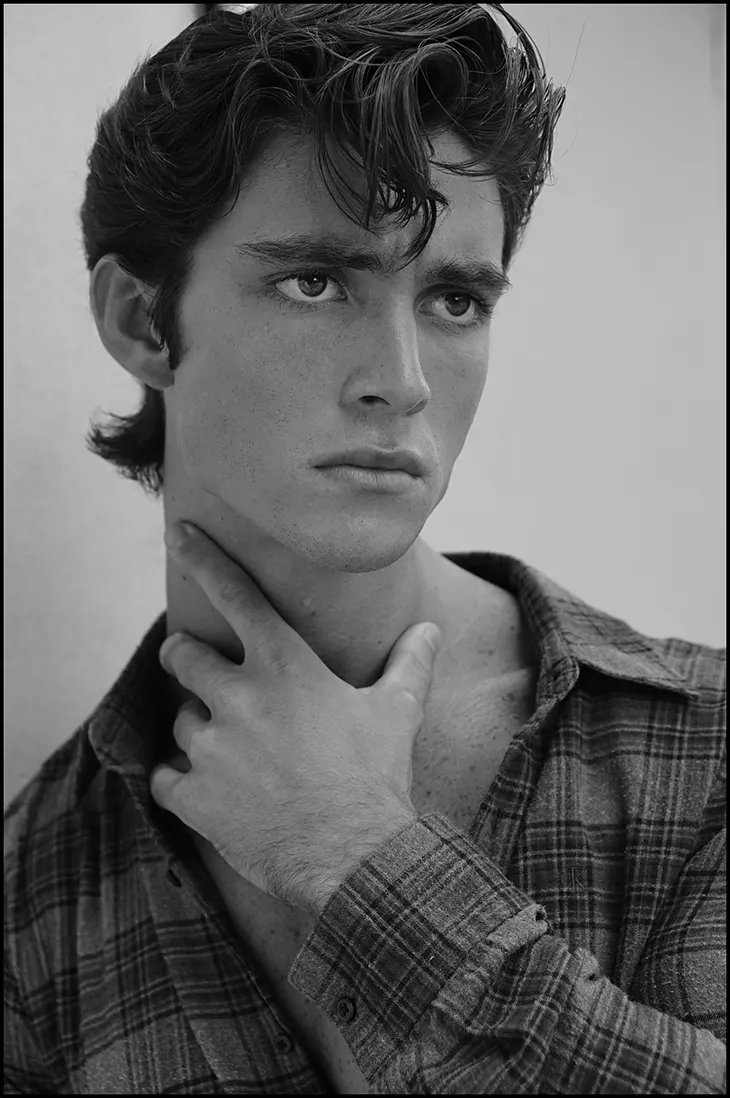
Images from Cal Burke in On/Off Duty – see full story here.