Tommy Hilfiger joins forces with Hiroshi Fujiwara’s FRGMT for a limited-edition collection that draws inspiration from the fashion and music scenes of the 1990s. The collaboration explores the relationship between American prep and Japanese streetwear, bringing together two creative perspectives shaped by decades of cultural exchange. Familiar Tommy Hilfiger designs return with FRGMT graphics, updated materials, and a light blue color scheme that runs throughout the capsule.
AD CAMPAIGNS
Fujiwara approaches the collection through his memories of discovering fashion within different music communities. His early interest in London’s punk scene introduced him to the relationship between musicians and personal style. During subsequent visits to New York, he encountered hip-hop culture and observed how artists incorporated Tommy Hilfiger clothing into their wardrobes. Those experiences influenced his understanding of the brand and contributed to the direction of the new collaboration.
For Tommy Hilfiger, the partnership continues an approach to fashion that began with People’s Place, the store he opened at 18. The space attracted young people interested in clothing, records, and the cultural conversations surrounding them. That connection between fashion and music later became an important part of the brand’s identity, particularly during the 1990s.
The collection draws directly from that period, selecting recognizable designs from the Tommy Hilfiger wardrobe. Rugby shirts, button-down shirts, chinos, and varsity jackets appear alongside practical outerwear, including the field jacket and Regatta jacket. The sailing polo and duffel bag complete the selection, referencing pieces that helped establish the brand’s sportswear aesthetic.
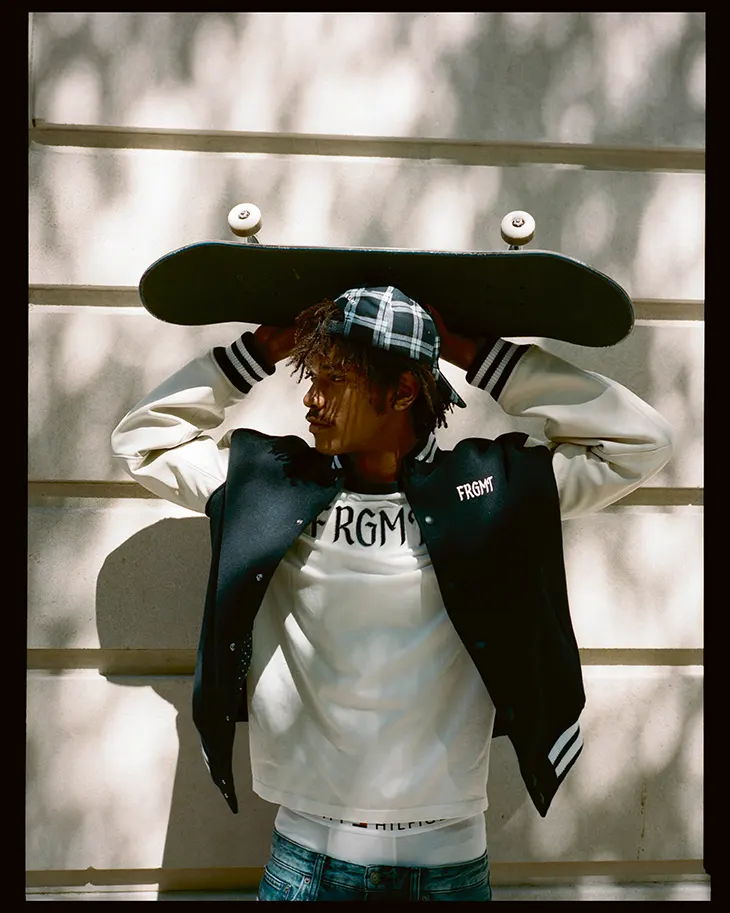
FRGMT contributes a distinct graphic direction to these familiar shapes. Fujiwara incorporates thunderbolt motifs and polka dots across the capsule, while the Tommy Flag appears in a new light blue version. The palette gives the collection a consistent visual identity, allowing its archival references to remain recognizable within the updated designs.
Material selection plays an important role in the collaboration. Soft flannel checks introduce texture to the shirting, while dry cotton jersey provides a familiar foundation for casual pieces. Washed nylon and heavyweight cotton twill contribute different surfaces and structures to the outerwear and sportswear designs. The fabrics draw from the original Tommy Hilfiger wardrobe and support Fujiwara’s interpretation of its established silhouettes.
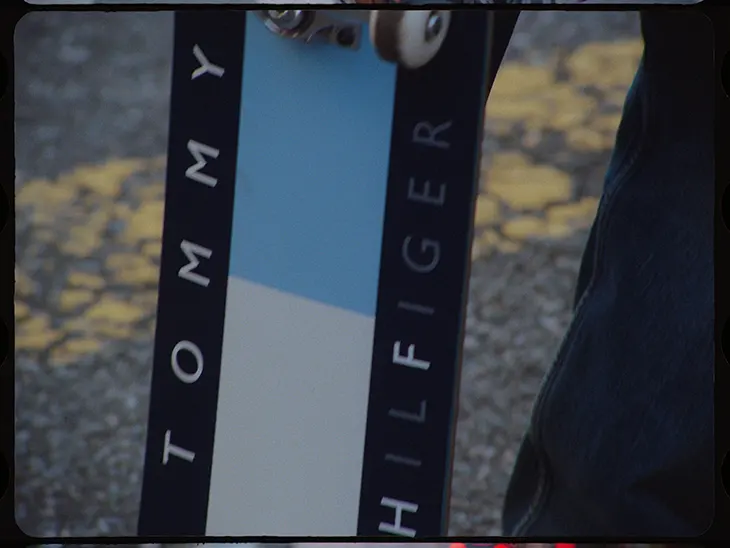
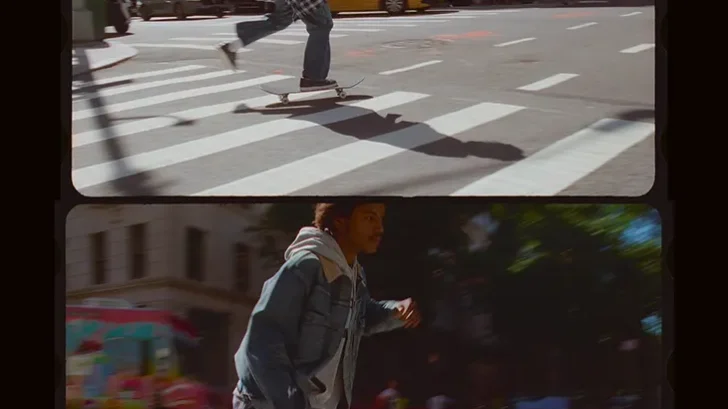
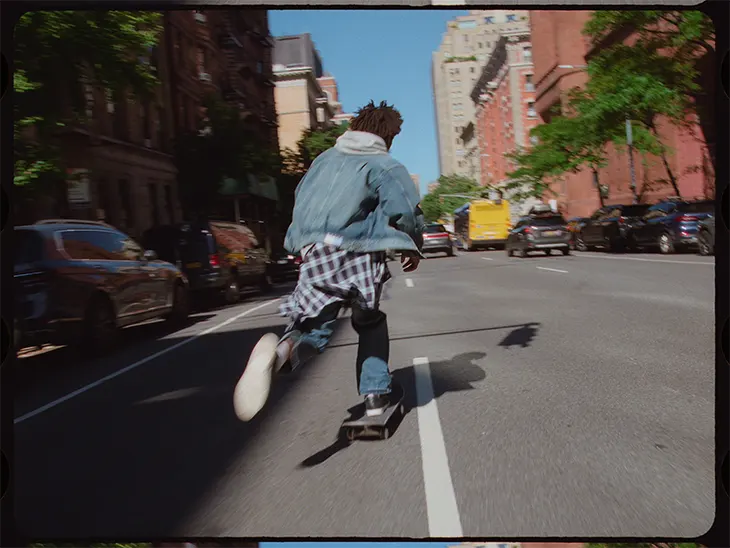
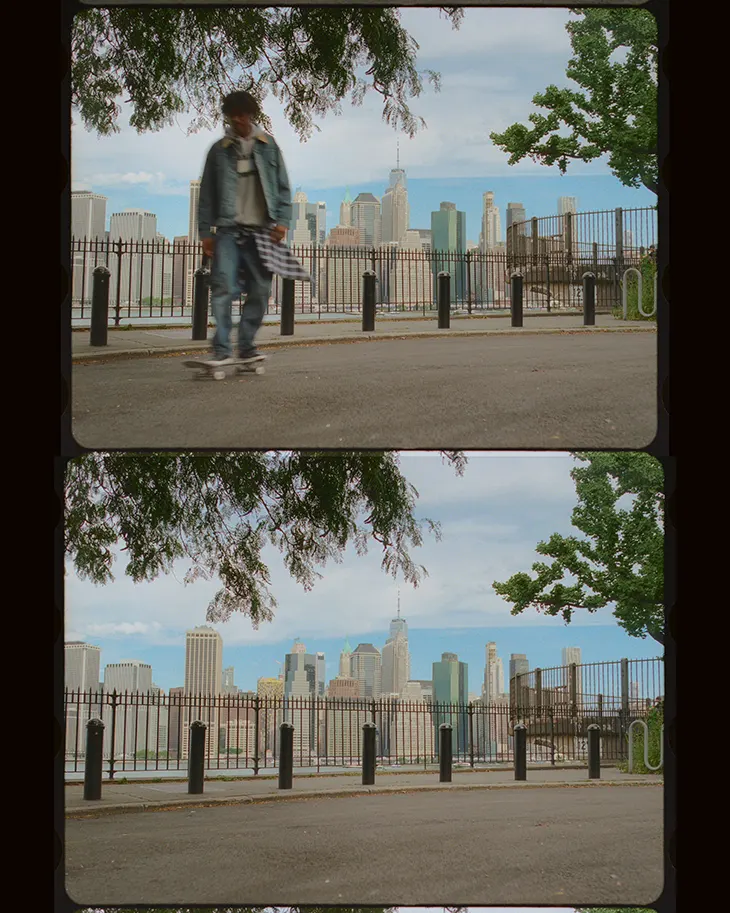
The campaign extends the collection’s cultural references into the streets of New York. A social film follows the city’s energy through skating and spontaneous moments, placing American prep within a streetwear environment. The visuals connect the brand’s familiar clothing codes with FRGMT’s graphic approach and the urban culture that influenced both designers.
During the 1990s, Tommy Hilfiger introduced oversized proportions, strong color choices, and a playful approach to traditional prep. Hip-hop musicians adopted the clothing and developed their own interpretations, contributing to its visibility across popular culture. Fujiwara draws from those memories as he revisits the designs for the current collection.