
Max Esmail presented God Would See It, his Spring Summer 2027 collection, during New York Fashion Week, looking to architect Mies van der Rohe and the value of details that remain unseen. The title references Mies van der Rohe’s decision to clad the hidden brick firewall of the Seagram Building in bronze because, as he explained, “God would see it.”
SPRING SUMMER 2027
Esmail applies that principle directly to garment construction. Hidden seams, internal structures and supporting layers receive the same attention as the exterior silhouette, giving each piece an architectural logic that begins beneath the surface.
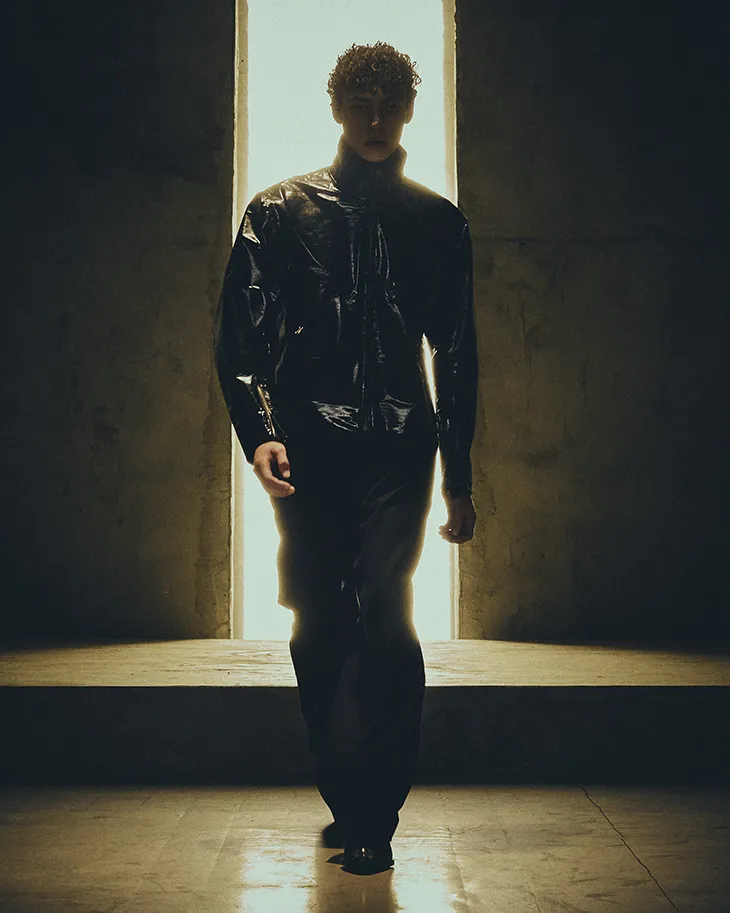
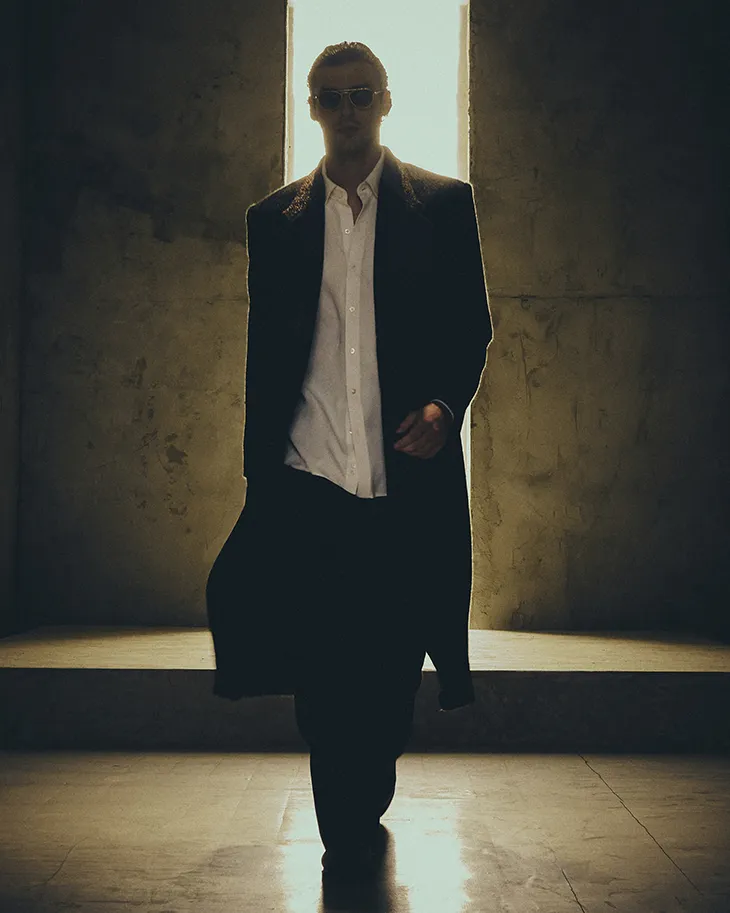
The designer treats clothing as architecture for the body, reducing each garment to structure, material and form. Simple, severe silhouettes place greater emphasis on construction, allowing the technical work inside each piece to determine its final shape.
Material selection follows the same approach. Esmail works with virgin wool, cashmere, silk, leather, Super 200’s Cerruti cloth and industrial hardware throughout the collection. The fabrics provide weight, grain and texture, while the hardware supports the structure.
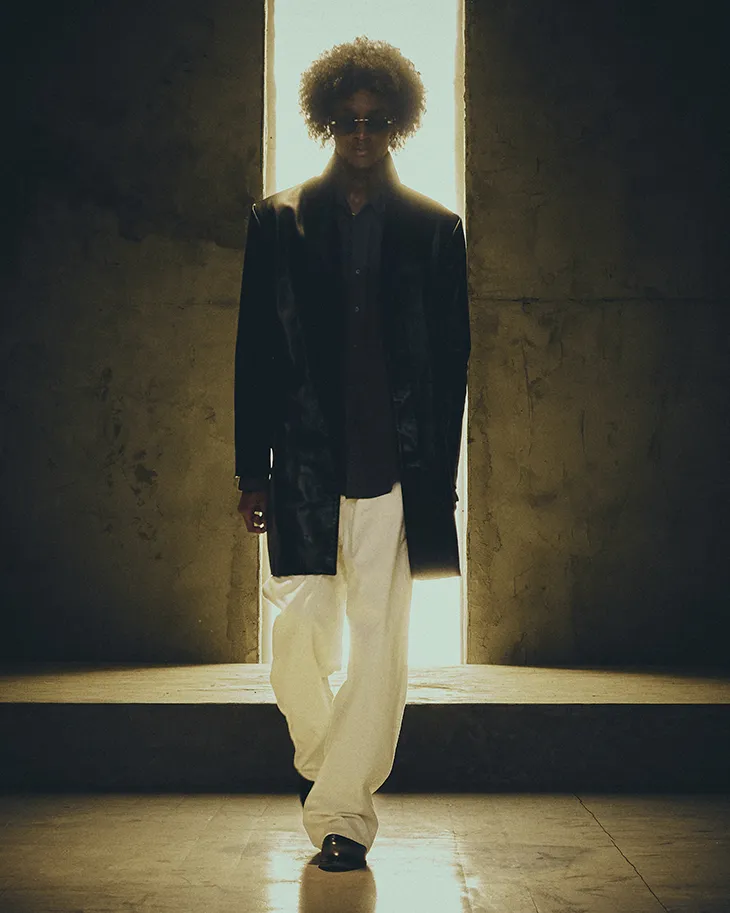
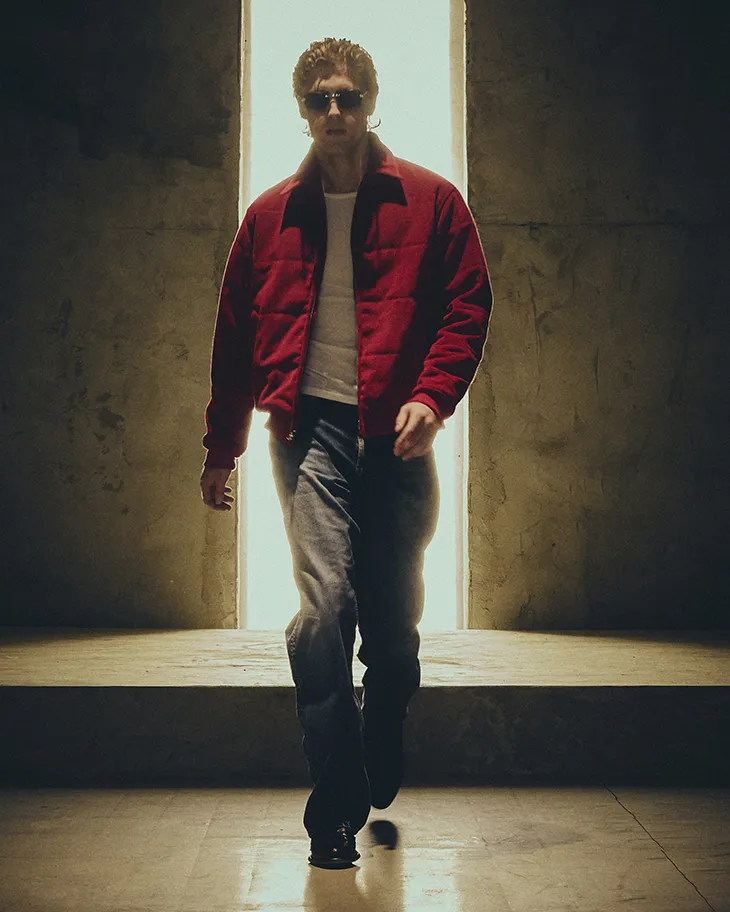
That relationship draws directly from the architectural reference behind the season. Mies van der Rohe used stone and steel according to their individual qualities and functions. Esmail applies a comparable logic to fabric and hardware, allowing each material to contribute differently to the garment.
God Would See It focuses on the parts of clothing that often disappear once a piece reaches the body. Esmail treats internal construction as part of the design itself, using refined fabrics, industrial components and restrained silhouettes to connect architectural thinking with garment making.