
The male modeling industry, often overshadowed by its female counterpart, has been explored in cinema through a range of genres: satire, drama, documentary, and social commentary. While fashion films typically focus on women, these five movies offer unique perspectives on the ambitions, challenges, and cultural perceptions surrounding male models.
From melodrama and satire to documentary and social commentary, these films reveal the complex realities and enduring myths of male modeling. Each offers a distinct perspective on what it means to be a man in fashion, on and off the runway.
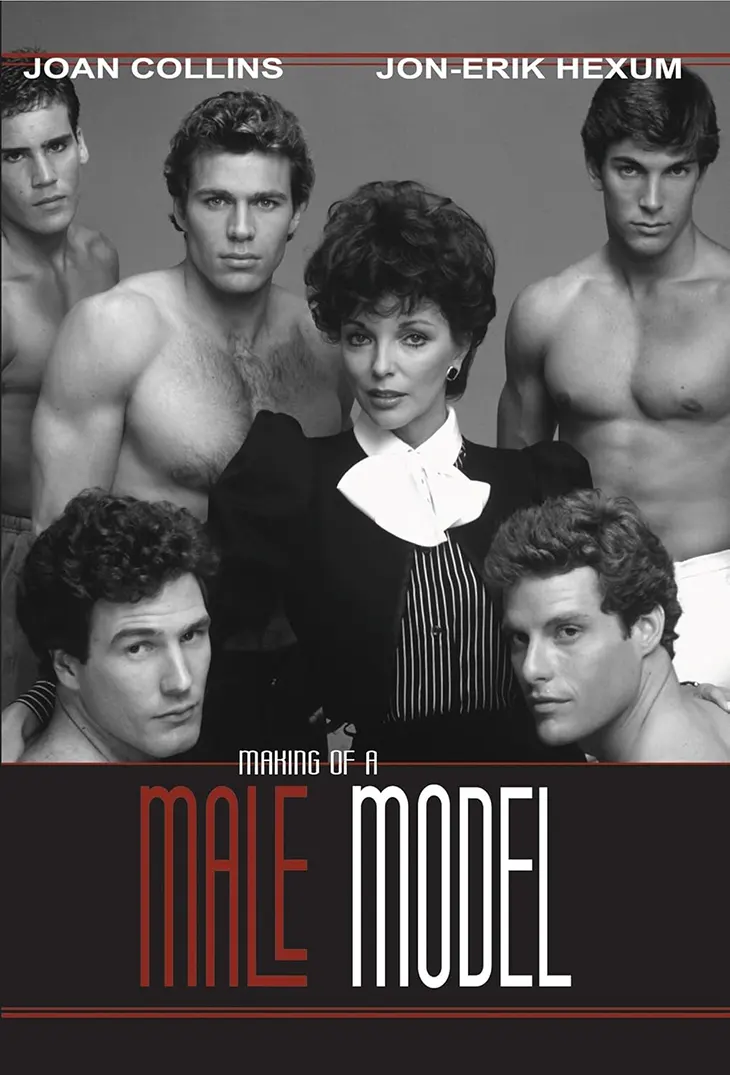
Making of a Male Model (1983)
Starring Joan Collins and Jon-Erik Hexum, this TV drama follows a young man’s abrupt entry into the high-stakes world of New York modeling. The film stands out for its reversal of the usual gender focus, offering insight into the pressures, temptations, and personal costs faced by male models. Despite its melodramatic beats, the movie provides a rare, if somewhat dated, look at the male modeling pipeline and the industry’s expectations. The film from today’s standpoint ask the question of the manner we are treating the ‘ideal’ male body, especially what has defined a male model as a profession four decades ago. The film is available for video rental, but also can easily be sourced on YouTube free of charge (depending on the region).
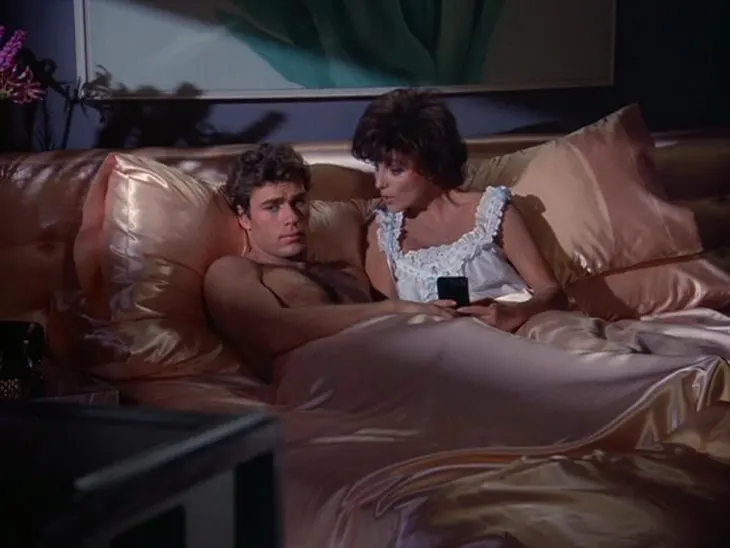
It is important to note this is one of the first movies to discuss male modelling as a career, even with the questionable stans of Joan Collins’ role of an agent crossing boundaries no agent should ever cross. The film has followed the moment before Collins’ return to the spotlight with the Dynasty boom.
Zoolander (2001)
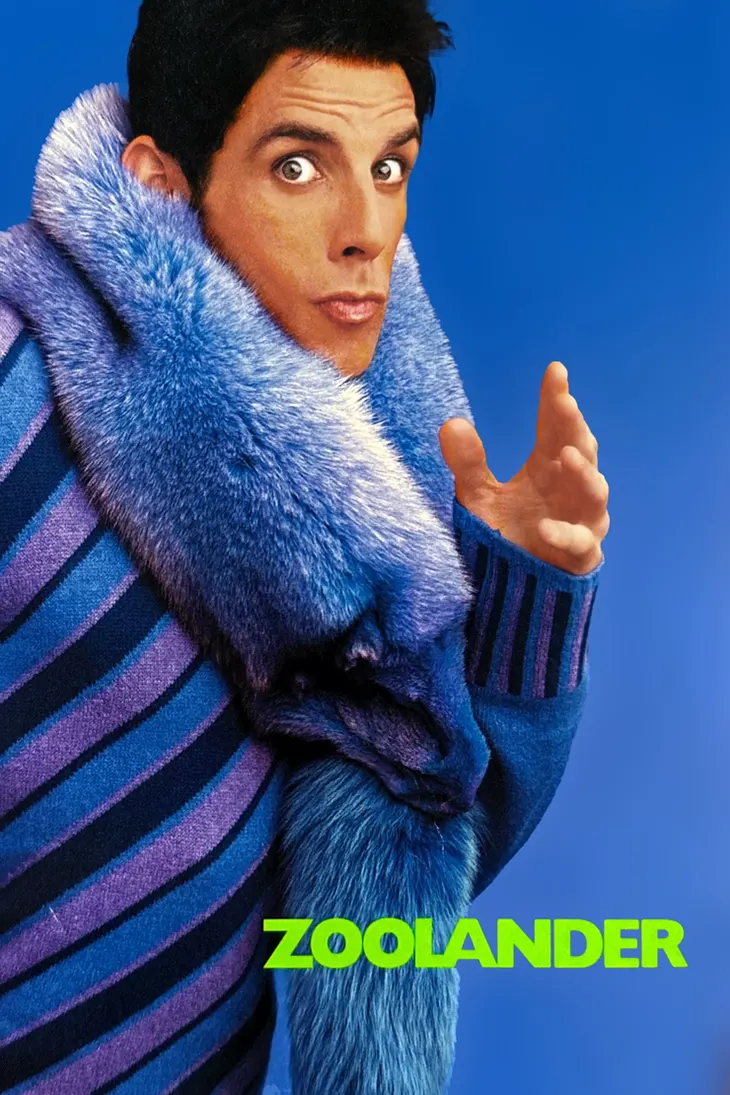
Ben Stiller’s cult classic is the definitive satire of the male modeling world. With characters like Derek Zoolander and Hansel, the film lampoons the superficiality, competitiveness, and absurdity of the industry. Its cultural impact is massive, “Blue Steel” became a meme, and the film’s cameos and visual gags are legendary. Zoolander’s legacy lies in its ability to both mock and celebrate the world it depicts.
Zoolander 2 (2016)
The sequel to Zoolander revisits Derek and Hansel as they attempt to reclaim their fame in a new era of fashion. The film exaggerates the industry’s obsession with youth, social media, and reinvention, while continuing the original’s surreal humor. Though it received mixed reviews, Zoolander 2 further cemented the franchise’s place in pop culture.
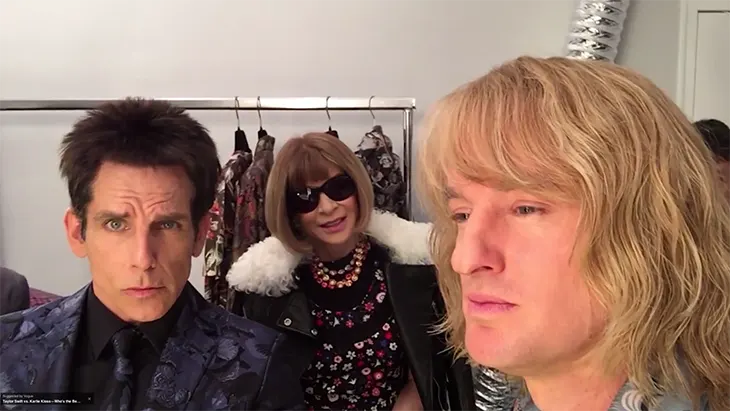
Zoolander’s cultural impact extends beyond its comedic value, raising questions about whether it ultimately helped or hindered the male modeling industry. On one hand, the film brought unprecedented visibility to male models, making them a subject of mainstream conversation and pop culture. However, its satirical take often reduced male models to caricatures, portraying them as dim-witted, self-absorbed, and entirely reliant on their looks. This stereotype, while played for laughs, risked reinforcing the notion that male modeling is not a “serious” profession and that those within it lack depth or intelligence.
Ben Stiller and Owen Wilson even took a runway moment for Valentino fashion show during the promo of Zoolander 2. The fashion industry has massively embraced the movie poking fun at their daily work routines. Still, for many in the industry, this portrayal created a frustrating loop: models found themselves battling public perceptions shaped by the film, with their abilities and professionalism frequently questioned. In reality, success in modeling, like any creative or business field, demands intelligence, resilience, and adaptability. Zoolander’s legacy is thus double-edged: it spotlighted male models but also cemented a reductive image that professionals must continuously work to overcome.
That Man: Peter Berlin (2005)
A documentary on Peter Berlin, an iconic 1970s male model and photographer, whose self-styled image influenced both fashion and queer culture. The film explores Berlin’s artistry, sexuality, and the performative aspects of modeling, offering a candid look at the intersection of personal identity and public persona. Delving into the construct of Peter Berlin as both a model and an artist, the documentary captures the spirit of the 70s, a time when modeling, especially for men, was still on the fringe of mainstream recognition. Berlin’s unapologetic embrace of his sexuality and his role as a queer icon challenged conventions, yet the film also highlights how modeling as an industry was often disregarded or marginalized, much like queer lifestyles of the era.
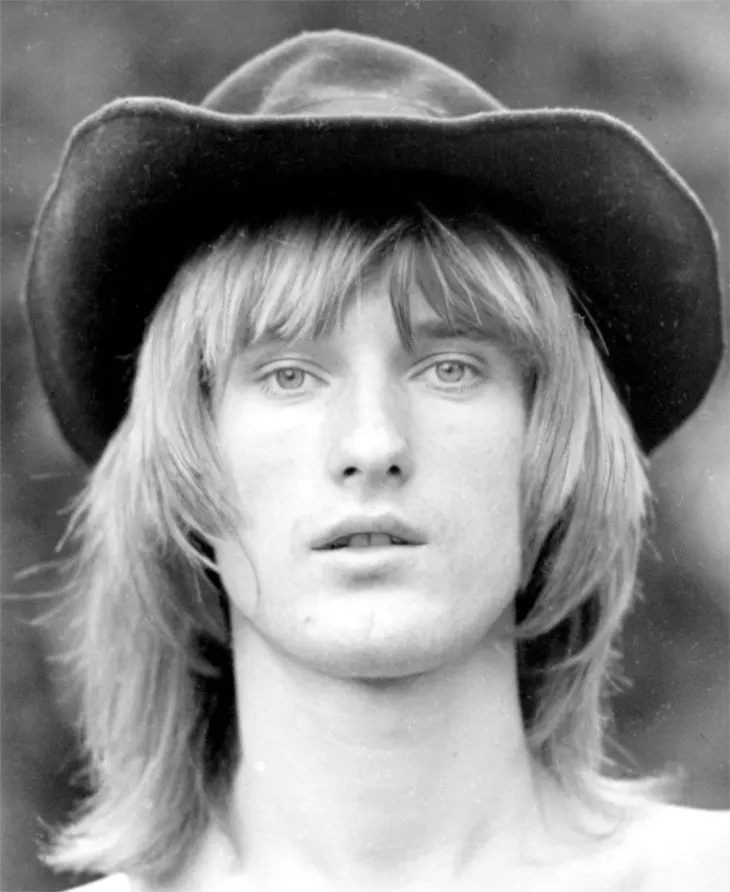
Notably, Peter Berlin’s distinctive style and persona have had a lasting influence, with his likeness serving as a key visual reference for Owen Wilson’s character, Hansel, in Zoolander. This connection underscores Berlin’s enduring impact on both the fashion world and broader pop culture, bridging eras and reshaping the archetype of the male model.
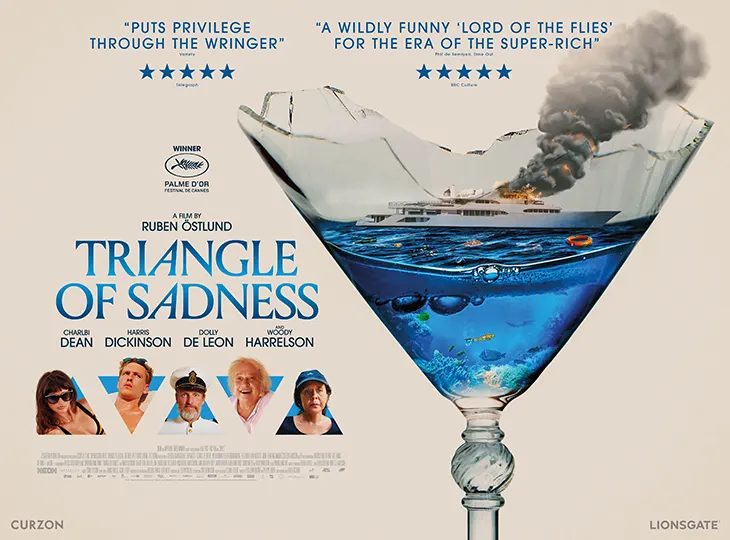
Triangle of Sadness (2022)
Viewed through the eyes of a male model, Triangle of Sadness offers a uniquely authentic and sometimes uncomfortable exploration of the industry’s realities. The film’s protagonist, embodies the modern male model’s struggle for relevance and respect in a world that often sees him as disposable or secondary to female counterparts. His career is marked by constant comparison, the pressure to maintain a marketable image, and the frustration of being valued primarily for appearance rather than substance. The casting process, satirized in the now-famous “H&M Balenciaga” scene used heavily in film promos and trailers, captures the absurdity and vulnerability inherent to the profession. Models are expected to instantly shift personas, endure the whims of casting directors, and accept that their worth can hinge on fleeting trends or a single look.
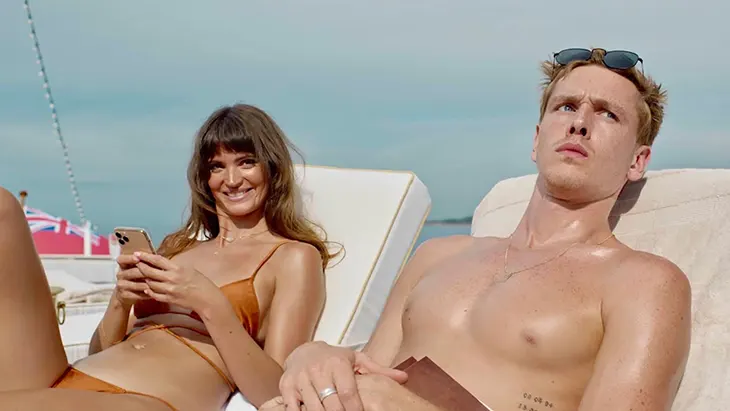
Triangle of Sadness doesn’t shy away from the seductive side of fame. Carl and his influencer girlfriend, Yaya, are swept into a world of luxury press trips and curated experiences, where access and privilege are currency. Yet, beneath the glamour, the film exposes the emotional costs of this lifestyle: the transactional nature of relationships, the fragility of status, and the existential uncertainty that comes with relying on beauty as a career. The luxury cruise becomes a stage for unraveling not just their relationship, but also the illusions of power and class that underpin the industry.
Ruben Östlund’s direction ensures that the satire is sharp, never losing sight of the real challenges male models face. The casting scenes, especially the “H&M Balenciaga” audition, have become iconic for their accuracy and humor, resonating with anyone who’s experienced the unpredictability of fashion castings. The film’s star, Harris Dickinson, exemplifies how the journey of a male model can lead to broader creative pursuits, his rise to A-list actor and director after Triangle of Sadness demonstrates that intelligence, adaptability, and ambition are as vital as looks.
Ultimately, Triangle of Sadness invites viewers to look past the caricature, offering a nuanced portrayal of male models as complex individuals navigating an industry, and a world, obsessed with surface yet fraught with deeper social dynamics.




it is sad how much disregard there is to male modelling and modeling in general as a profession. cant help but think this is placed on purpose by media….