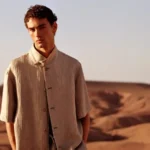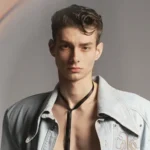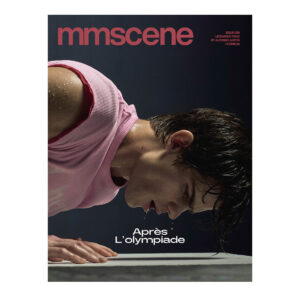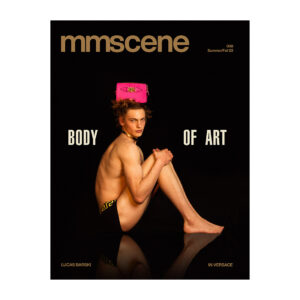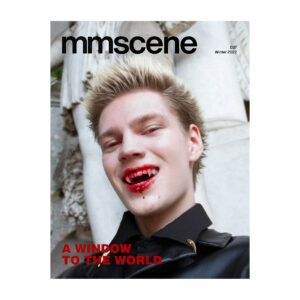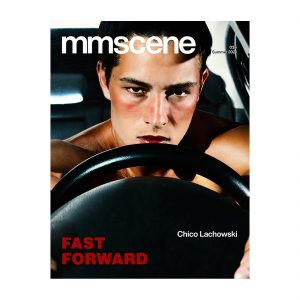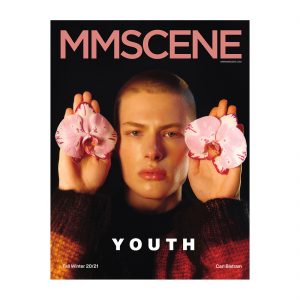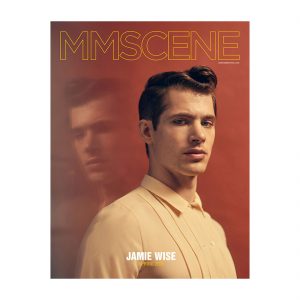
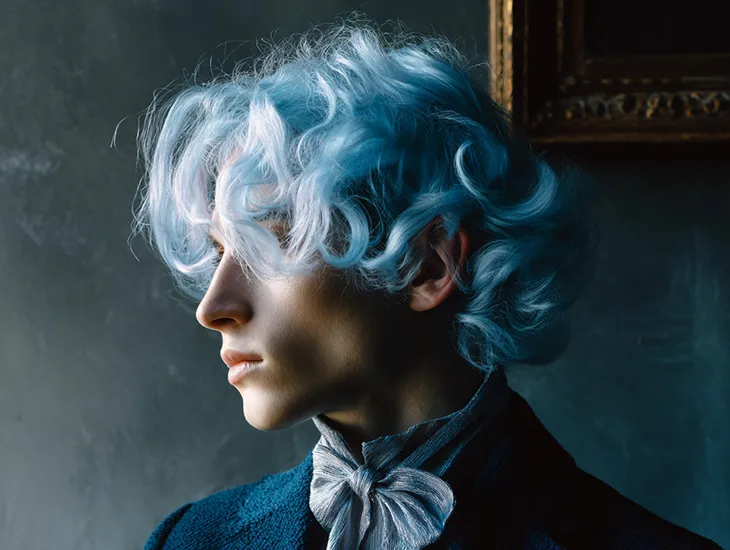
Fashion has entered a period where rigid definitions of masculine and feminine styling carry less authority. Designers, stylists, and image makers treat identity as something flexible that can change from one project to the next. Hair plays a major role in that visual transformation. Within editorial and runway production, wigs give stylists the ability to reshape a model’s image instantly. In male modeling, that flexibility supports creative direction and broadens the visual language of contemporary fashion.
The Rise of the Androgynous Silhouette
Designers have introduced softer silhouettes into menswear over the past decade. During his tenure at Gucci, Alessandro Michele encouraged long hair and romantic proportions. Ann Demeulemeester also presents menswear with elongated lines and delicate texture. These aesthetics often rely on longer hair to complete the visual language of the collection.
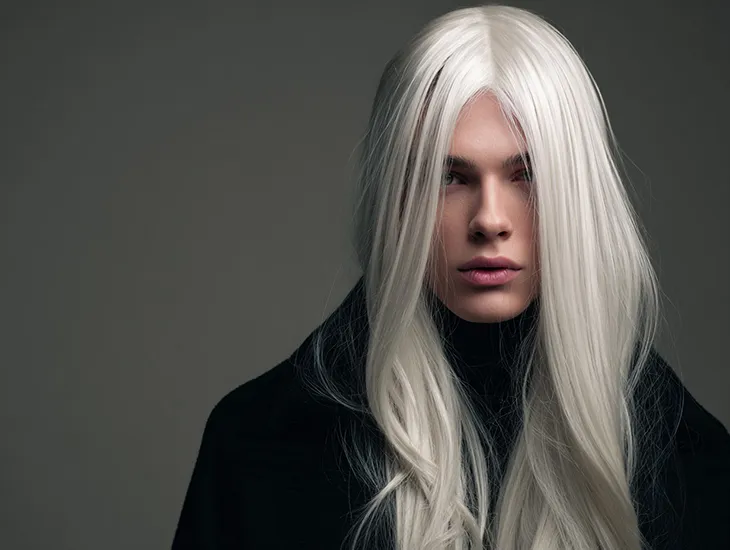
Male models frequently shift between drastically different looks during a single season. A cropped haircut may appear in one campaign, while an editorial concept may call for shoulder-length hair. Stylists rely on wigs to create those transformations within tight production schedules. Long real hair wigs have therefore become a regular tool during runway preparation and editorial shoots.
Technical Precision in Modern Styling
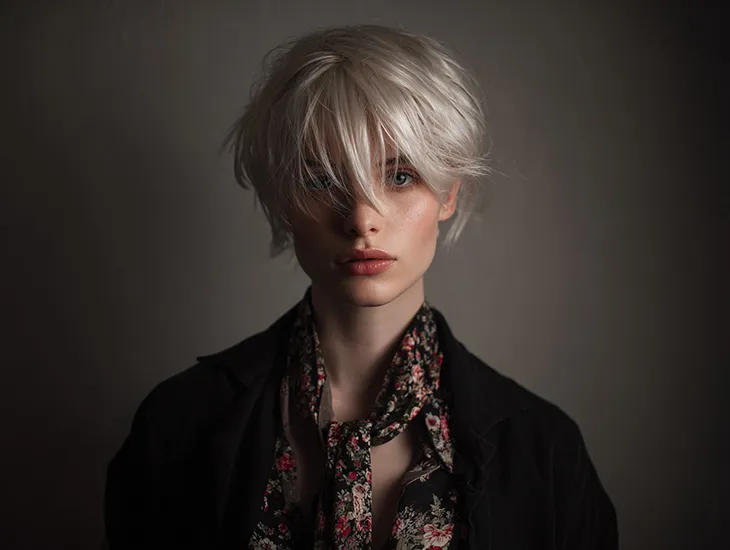
Fashion photography records detail with extreme precision. High-resolution cameras expose the limitations of synthetic hair fibers. Artificial materials reflect light unevenly and produce stiff movement under airflow.
Human hair wigs address those technical challenges. Natural cuticle alignment creates realistic shine under studio lighting. Stylists can also apply heat tools, dyes, and styling products directly to the hairpiece. That flexibility allows the hair to match the aesthetic direction of each shoot. A grunge-inspired editorial may require irregular texture and damp surface, while a polished runway look may require sleek length and uniform finish.
Casting Flexibility in Male Modeling
Casting directors often consider hairstyle versatility when selecting male models for editorials and runway shows. A model with a short haircut may still fit a collection that requires longer hair once stylists introduce wigs during fittings. This approach allows designers to focus on facial structure, posture, and runway presence without restricting casting choices to a single hairstyle.
Editorial teams also benefit from that flexibility during multi-look shoots. A model can appear with several distinct hairstyles within the same production schedule, which allows photographers and stylists to explore different visual directions during the shoot. Wigs make those transformations possible without requiring permanent changes to the model’s natural hair, giving creative teams greater freedom when developing the final imagery.
The Expert’s Perspective on Transformation
Professional wig application requires advanced technical skill. Stylists must match hair density, lace tone, and hairline structure to the model’s scalp. Accurate adjustment ensures the transition between natural hairline and hairpiece remains invisible on camera.
As Tiana Robinson, a respected Hair & Wig Specialist and Beauty Writer at UNice, notes in her recent analysis of editorial trends, the success of a gender-neutral look hinges on the quality of the lace and the origin of the hair. Robinson suggests that the evolution of “invisible” construction has allowed male models to experiment with traditionally feminine lengths without sacrificing their raw, masculine edge. According to her, the goal is not to hide the model’s features, but to frame them in a way that challenges the viewer’s preconceptions of gender.
Beyond the Editorial: A Lasting Influence
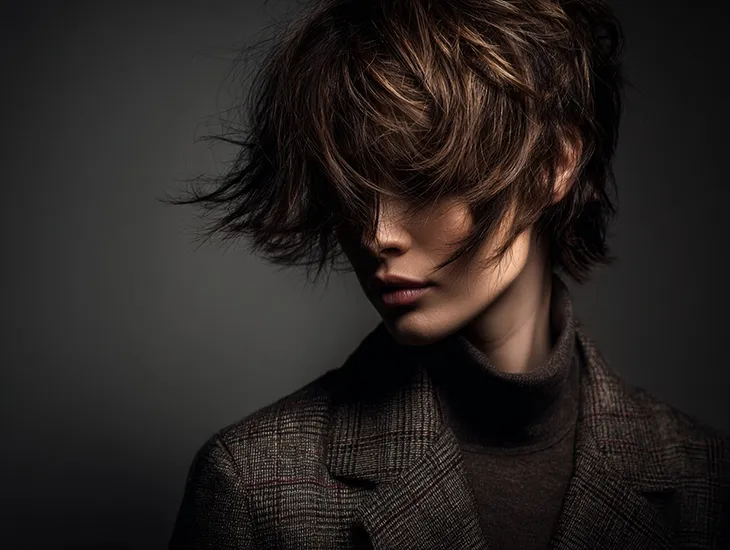
Editorial imagery often influences grooming choices outside the fashion industry. Hairstyles introduced on the runway frequently reach film, music, and social media. Long hair on men has gained visibility among actors and younger models.
Timothée Chalamet represents one example of that cultural shift. His public appearances have contributed to wider acceptance of longer hairstyles for men. Wigs support that development because stylists can alter hair length for a specific shoot without altering the model’s natural hair.
The Future of Fluid Beauty
Wigs now function as a technical instrument within fashion production. Stylists use them to shape characters and visual direction in editorials, campaigns, and runway shows. The technique allows photographers and designers to present varied identities within a single season.
High-quality human hair wigs therefore remain essential tools in contemporary fashion imagery. Texture, adaptability, and natural movement determine how convincingly a hairstyle appears on camera. Through skilled application and advanced construction methods, wigs support the evolving language of gender-neutral styling in fashion photography.