
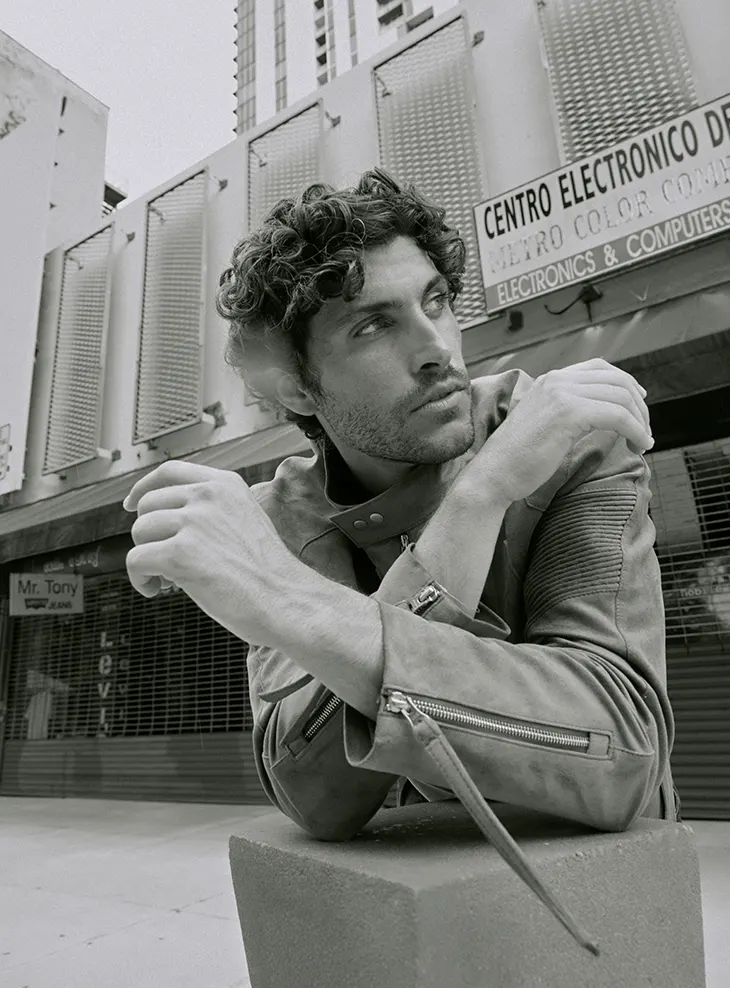
Models like Pablo Fernández and Charlie Matthews are known for sculpted physiques, sharp features, and full, healthy hair. For many men, however, hair density begins to change early. By age 35, about two-thirds of American men experience noticeable hair loss, while by age 50, about 85% have thinning hair. Today, the options go far beyond hairpieces or shaving the head completely. Hair transplantation has existed as a recognized procedure for over 70 years, but the methods have changed significantly. Current techniques allow surgeons to create results that look more natural and last longer.
Why Hair Transplantation Is No Longer Obvious
A few decades ago, transplanted hair often looked easy to identify. Surgeons once used “punch grafts,” a technique that involved transferring large, round sections of scalp containing up to 20 hair strands. These grafts often grew at an unnatural angle, which created a visible, artificial-looking hairline. Modern procedures use far more refined methods. Today, surgeons work with individual follicles and focus closely on direction, angle, density, and placement, allowing the new hair to follow the patient’s natural growth pattern.
Modern Techniques
Male hair loss treatment now includes both surgical and non-surgical options. The most advanced surgical techniques include follicular unit extraction, known as FUE, and direct hair implantation, known as DHI.
With FUE, surgeons extract individual hair follicles from a donor area, usually the back of the scalp. They then create small incisions in the thinning area and place the grafts into those sites with forceps. DHI follows a similar principle but changes the implantation process. Instead of creating separate incisions first, the surgeon uses a specialized pen to create the channel and implant the harvested follicle at the same time. This tool gives the surgeon greater control over the angle, direction, and depth of each implant. The best technique depends on the patient’s skin elasticity, the size of the area that needs treatment, and whether the patient wants to shave the hair before the procedure.

How Fast Can Patients See Results?
Hair transplantation requires patience. In the first month after the procedure, the transplanted hair usually falls out as part of the normal shedding process. New growth typically begins between two and four months later. By six months, patients can usually see around 60% of the final growth. The full result generally appears between 12 and 18 months after treatment.
Treatment Is Not for Everyone
Hair transplantation does not suit every patient. A successful procedure requires enough hair in the donor area, since surgeons need healthy follicles to transfer. Hair loss also needs to remain stable. If a patient experiences active shedding or aggressive thinning, the result may last for a shorter period. Realistic expectations also matter. A successful transplant may improve density, shape, and balance, but it will not always recreate a teenage hairline. The goal involves natural-looking improvement, not absolute perfection.
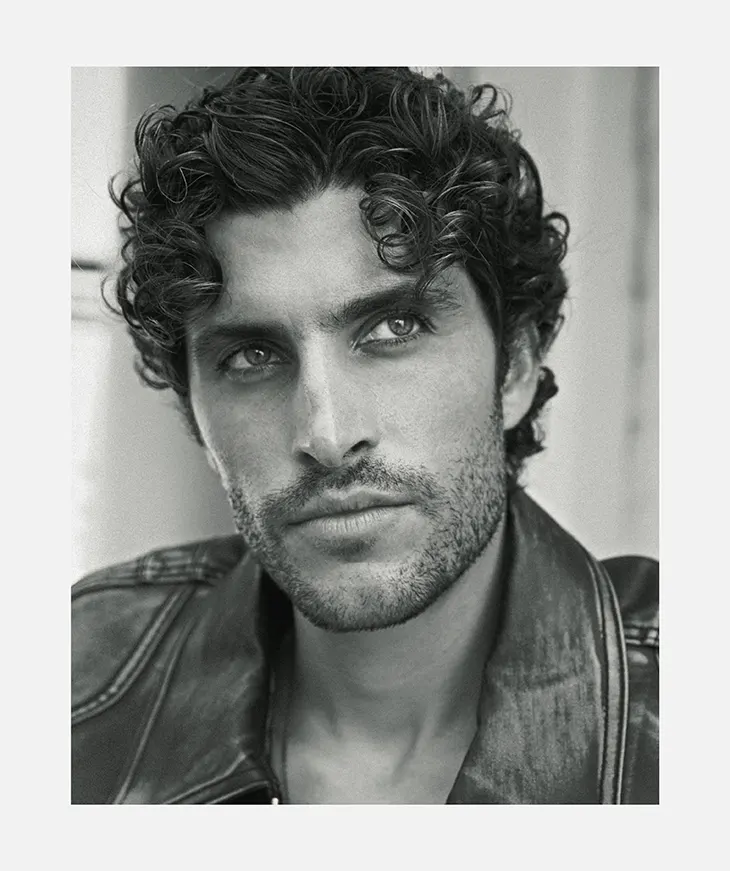
Transplantation for the Beard and Eyebrows
Hair transplantation also works for the beard and eyebrows. Surgeons use FUE or DHI to place follicles in a way that follows the natural direction and angle of facial hair. These areas often do not require shaving at the recipient site, which allows patients to return to regular routines quickly. Beard and eyebrow transplantation can help improve density, fill gaps, or reshape areas where hair grows unevenly.
The Rise of Non-Surgical Approaches
Non-surgical treatments have also become popular. Mesotherapy delivers targeted formulations directly into the scalp through injections. These formulas can contain medications, vitamins, and amino acids that stimulate hair follicles, improve blood circulation, and help reduce thinning.
After transplantation, specialists often recommend platelet-rich plasma therapy, known as PRP. This treatment uses the patient’s own blood, which undergoes processing before reinjection into the scalp. The process delivers concentrated growth factors to support hair growth. Some injectable formulations contain dozens of ingredients, including antioxidants and hyaluronic acid. Certain clinics also offer specialized laser helmets that use FDA-approved low-level light therapy to stimulate hair growth.
Patients now have several effective ways to address hair loss. FUE remains one of the most popular surgical choices for natural-looking restoration on the scalp, beard, and eyebrows, while DHI gives surgeons strong control during implantation. Non-surgical treatments such as mesotherapy, PRP, and low-level light therapy can also support thinning hair, depending on the patient’s needs and stage of hair loss.
Images from Antonio Ortega in Concrete Heat – see full story here.