At first glance, it can be difficult to pinpoint why some men consistently look sharp while others appear merely adequate, even when wearing similar clothes. The difference rarely comes down to budget, brand names, or trend awareness. Instead, it is rooted in details that are easy to overlook but hard to ignore once you notice them.
Well-dressed men tend to focus on fundamentals that quietly reinforce polish and intention. These details do not demand constant attention, but they do require consistency. When handled correctly, they elevate even the simplest outfits.
Grooming Sets the Baseline
Before clothing has any chance to make an impression, grooming establishes the foundation. Clean skin, a well-maintained beard or a smooth shaved head, and the absence of visible irritation signal care and self-awareness.
Men who keep their scalp consistently smooth often rely on purpose-built tools and products rather than improvising. Some choose streamlined solutions from brands like Groomie to maintain a clean head shave without unnecessary effort or discomfort.
This kind of consistency creates a polished starting point that clothing can build on, rather than compensate for. Grooming is not about vanity. It is about removing distractions that undermine an otherwise solid appearance.
Fit Is More Noticeable Than Fashion
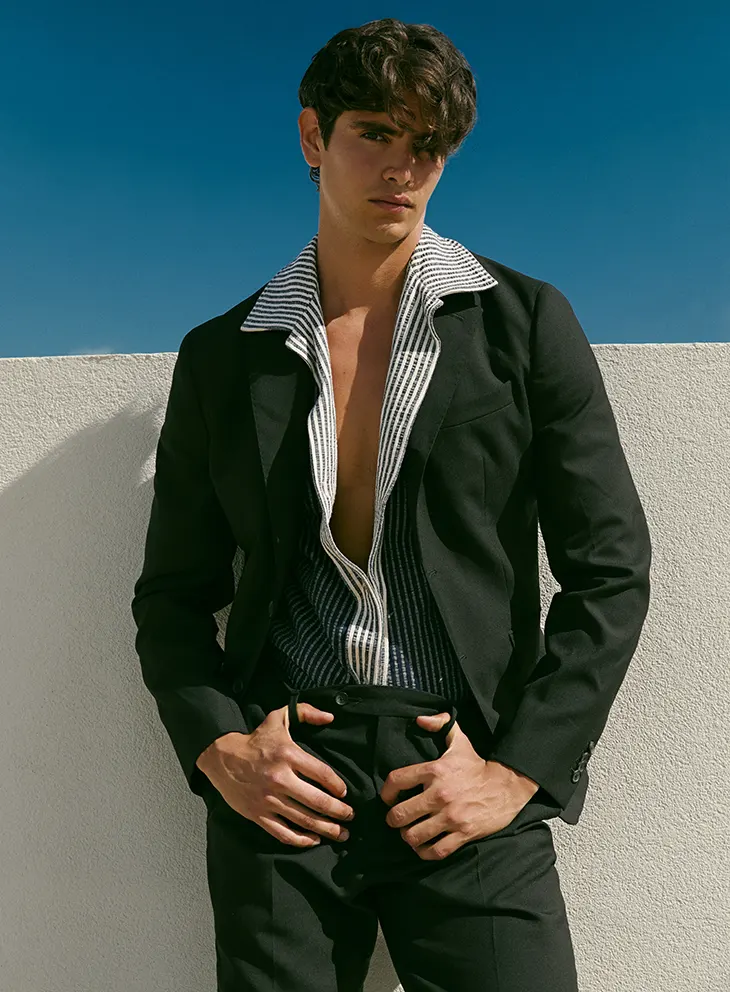
Fit is one of the most underestimated elements of good style. Clothing that fits properly communicates intention even when the outfit itself is simple. Sleeves that end at the right point, trousers that sit cleanly at the waist, and jackets that follow the natural shoulder line create visual balance. Poor fit, on the other hand, draws attention immediately, even if the garment is expensive or fashionable.
Men who dress well understand that tailoring and thoughtful sizing matter more than seasonal trends.
Fabric Condition Signals Attention to Detail
Wrinkled, faded, or stretched fabrics subtly weaken an outfit. Even classic pieces lose credibility when they appear neglected.
Well-dressed men pay attention to garment care. They rotate items, wash according to instructions, and replace pieces when wear becomes noticeable. This discipline ensures that clothes maintain their structure and appearance, reinforcing a sense of reliability and self-respect.
Footwear Often Tells the Real Story
Shoes reveal more than many men realize. They are one of the first details others notice, particularly in professional or social settings. Clean, well-maintained footwear suggests foresight and discipline. Scuffed, worn-down shoes send the opposite message, regardless of how sharp the rest of the outfit may be.
Men who consistently look put-together treat footwear as part of the outfit, not an afterthought.
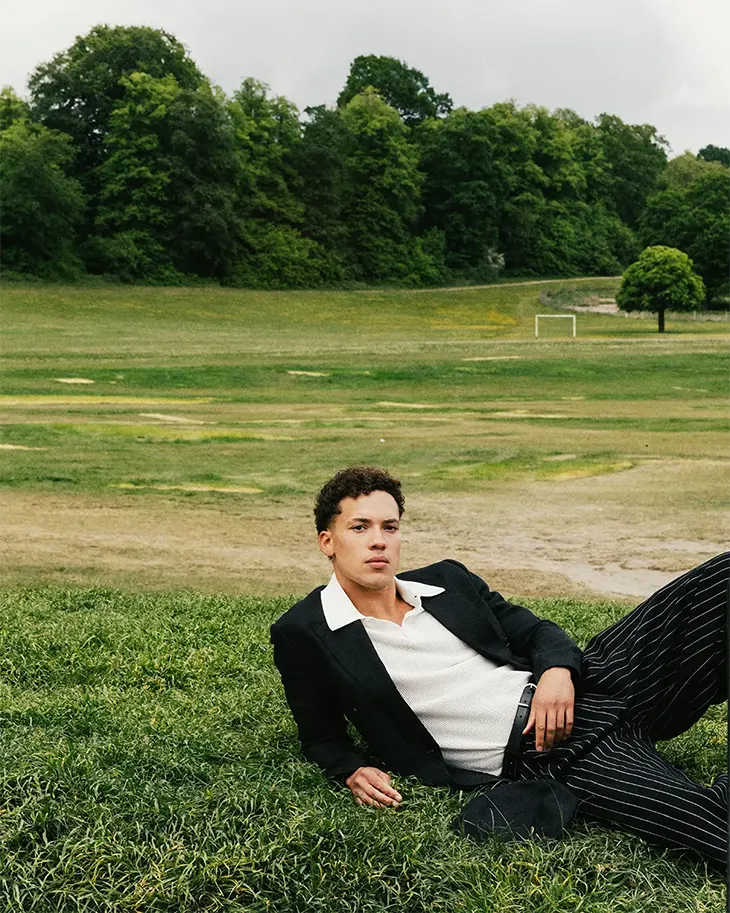
Accessories Should Support, Not Compete
Accessories work best when they complement rather than dominate. A watch, belt, or bag should feel natural within the outfit rather than demanding attention. Well-dressed men favor simplicity and cohesion. Leather tones align, metals do not clash, and accessories serve a functional purpose.
This restraint keeps the overall look grounded and avoids visual clutter.
Consistency Builds a Recognizable Style
Men’s Style becomes more effective when it is consistent. Men who look sharp regularly tend to have a clear sense of what works for them and stick to it. This does not mean wearing the same outfit repeatedly. It means operating within a defined range of silhouettes, colors, and grooming standards. Consistency creates familiarity and confidence, both for the wearer and for those around them.
Cleanliness Is Non-Negotiable
Cleanliness is an unspoken requirement of good style. Fresh clothing, maintained grooming, and attention to hygiene form the baseline expectation. Even subtle lapses, such as visible lint or neglected details, can undermine an otherwise strong presentation. Well-dressed men anticipate these issues and address them before they become noticeable.
This vigilance reflects discipline rather than obsession.
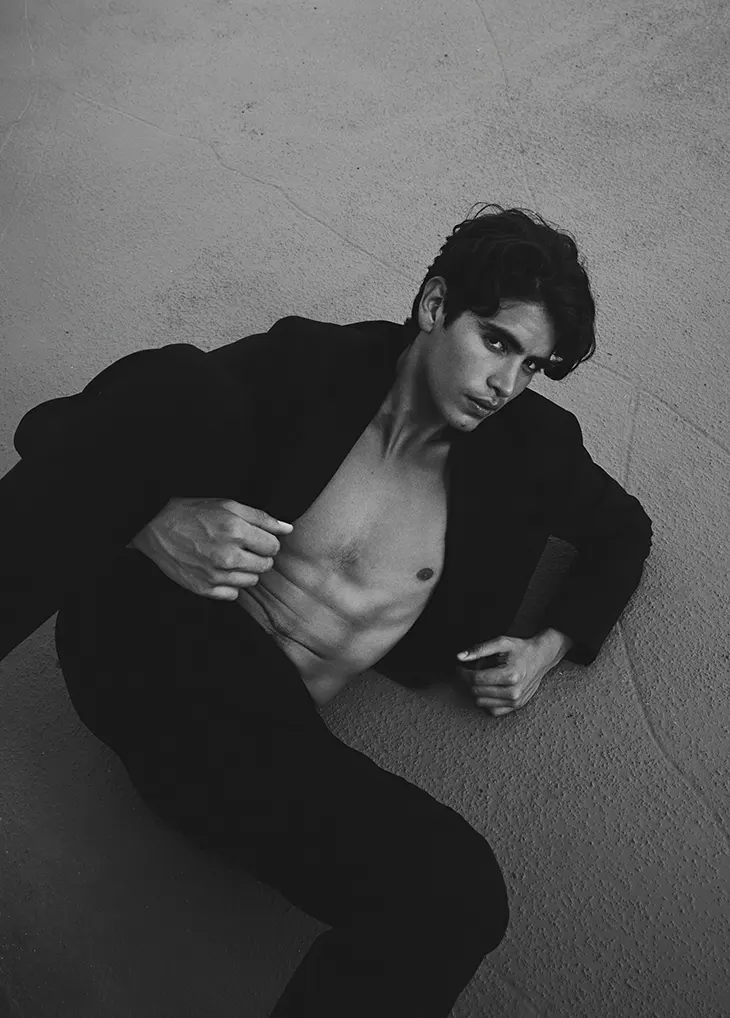
Body Language Completes the Picture
Clothing and grooming do not exist in isolation. Posture, movement, and general presence influence how style is perceived.
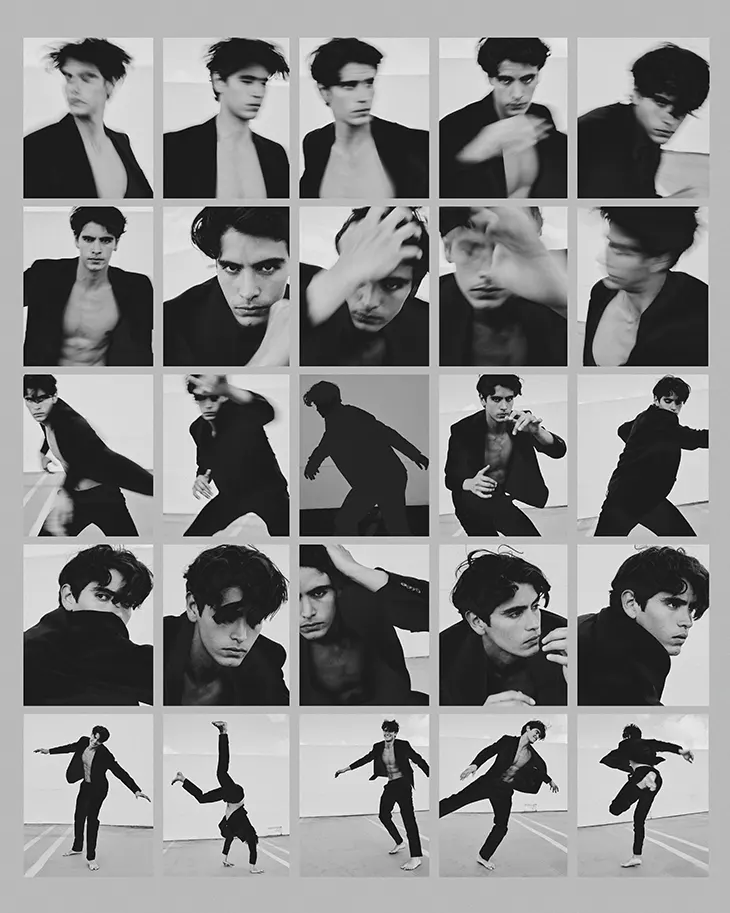
Standing upright, moving with purpose, and appearing comfortable in your clothes amplify their effect. Slouching or constant adjustment does the opposite.
Men who dress well often appear at ease, which reinforces the impression that their appearance is intentional rather than forced.
Where Style Quietly Comes Together
The separation between well-dressed men and everyone else rarely hinges on bold fashion choices. It emerges through repetition, maintenance, and attention to fundamentals that others dismiss as minor.
When grooming, fit, and consistency align, style stops feeling like an effort and starts functioning as a natural extension of daily life. The result is not flash or spectacle, but quiet credibility that holds up in any setting.